
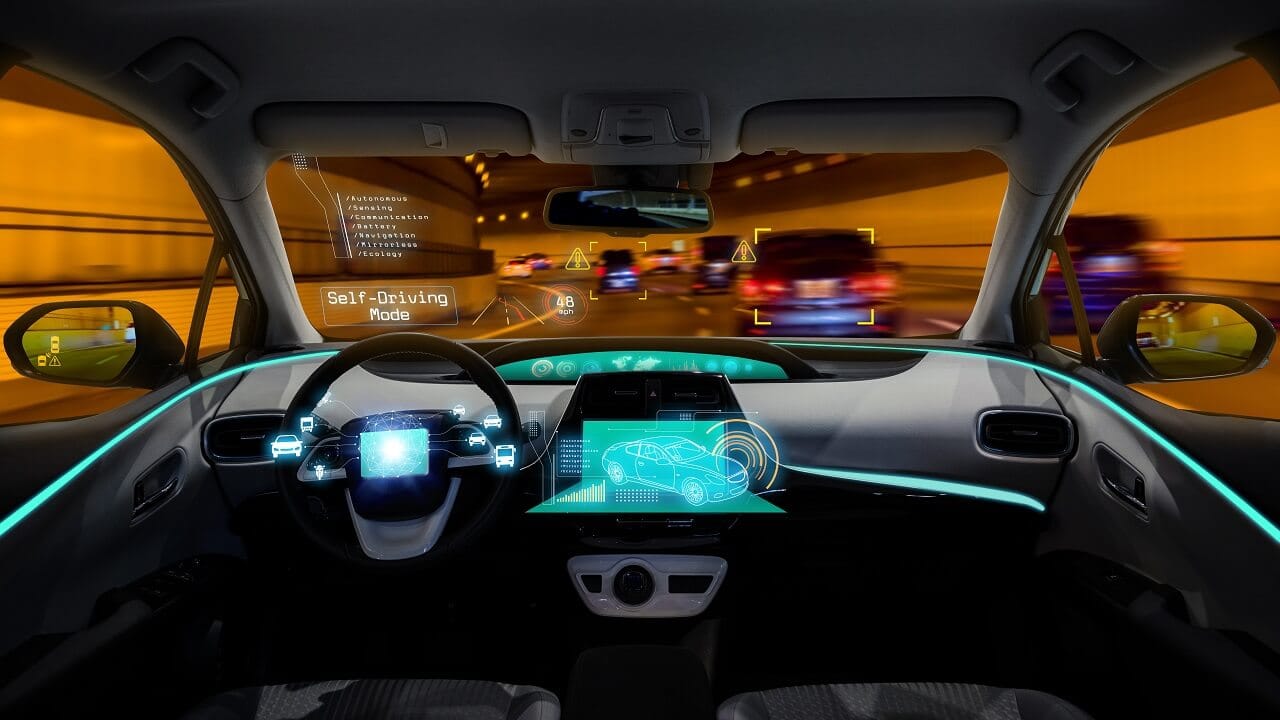
The modern driving experience has undergone a massive transformation. Not too long ago, standard vehicle convenience meant having power windows, cruise control, and a functional air conditioning system. Today, vehicles are essentially computers on wheels. The automotive industry has shifted its focus heavily toward integration, automation, and connectivity, creating cars that actively assist the driver.
Smart automotive features are no longer exclusive to ultra-luxury sedans. They are now standard options on everyday SUVs, compact cars, and trucks. By taking over repetitive physical actions, providing real-time data, and seamlessly connecting to personal devices, these tech features change the daily commute. They reduce driver exhaustion, minimize small stressors, and make navigating hectic traffic a smoother experience.
The Evolution of Driver Assistance Systems
Advanced Driver Assistance Systems, widely known as ADAS, serve as the foundation for modern driving convenience. Originally developed to enhance safety, these systems have evolved to eliminate the physical fatigue that comes with long-distance road trips and bumper-to-bumper traffic jams.
Adaptive Cruise Control
Traditional cruise control required drivers to constantly reset the system whenever they encountered a slower vehicle on the highway. Adaptive Cruise Control solves this issue by using radar sensors and cameras to monitor the car directly ahead. The vehicle automatically adjusts its speed to maintain a predetermined following distance. If the car ahead slows down, your vehicle slows down as well. When the lane opens up, it accelerates back to the set speed without any input from the driver.
Traffic Jam Assist
Building upon adaptive cruise control, Traffic Jam Assist handles low-speed, stop-and-go city traffic. The vehicle can bring itself to a complete stop behind another car and automatically resume acceleration when traffic begins to move again. This eliminates the need to constantly switch between the gas and brake pedals during rush hour, preventing leg fatigue and lowering driver frustration.
Lane Keeping and Centering Technology
Steering requires constant, microscopic adjustments to keep a vehicle perfectly positioned in the middle of a lane. Lane Keeping Assist monitors painted highway lines. If the vehicle begins to drift without a turn signal, the system applies gentle steering corrections to bring the car back into alignment. Lane centering systems go a step further by actively keeping the car dead center between the lines, taking a substantial cognitive and physical load off the driver during long highway stretches.
Frictionless Parking with Automated Solutions
For many people, parking in tight urban spaces or parallel parking on busy streets is the most stressful part of driving. Smart automotive engineering has introduced features that take the guesswork and anxiety out of these maneuvers.
-
Surround View Camera Systems: Instead of relying solely on the rearview mirror, drivers now have access to a bird-eye view of their vehicle. By stitching together video feeds from cameras mounted on the front, rear, and side mirrors, the system displays a clear overview of the surrounding environment on the central dashboard screen. This makes it easy to spot low curbs, shopping carts, or hidden obstacles.
-
Active Park Assist: This technology scans for available parking spaces as you drive past them. Once a suitable spot is found, the vehicle instructs the driver to shift gears while the car automatically steers itself into the parallel or perpendicular space. Modern iterations handle the shifting, braking, and acceleration autonomously.
-
Remote Smart Parking: Certain modern vehicles allow drivers to step completely out of the car and use a smartphone app or the key fob to move the vehicle forward or backward. This is useful when parking in tight garage spaces or narrow parking spots where opening the doors would otherwise be impossible.
Connectivity and the Intelligent Cockpit
The interior cabin has evolved into a fully connected workspace and entertainment center. The goal of the intelligent cockpit is to provide seamless access to navigation, communication, and climate controls without pulling the driver’s attention away from the road.
Wireless Smartphone Integration
The days of untangling auxiliary cords or proprietary USB cables are mostly gone. Wireless Apple CarPlay and Android Auto link a driver’s smartphone directly to the car’s infotainment screen the moment they enter the vehicle. This brings familiar interfaces, personal music playlists, contacts, and preferred navigation apps right to the dashboard.
Natural Voice Recognition
Early voice command systems required drivers to memorize specific phrases, which often resulted in communication errors. Modern smart vehicles utilize advanced natural language processing. Drivers can speak conversationally to adjust cabin settings. For example, saying “I am cold” prompts the vehicle to raise the thermostat, while saying “Find coffee near me” instantly updates the GPS route.
Heads-Up Displays
A Heads-Up Display projects critical information, such as current speed limits, active navigation arrows, and blind-spot warnings, directly onto the windshield. Because the information hovers within the driver’s natural line of sight, there is no need to look down at the instrument cluster or check the central screen. This keeps eyes focused entirely on the road ahead.
Predictive Comfort and Climate Customization
Convenience is tightly linked to physical comfort. Smart cars now use sensors, geolocation data, and machine learning to anticipate the comfort needs of the driver and passengers before a journey even begins.
Companion Mobile Apps
Mobile applications connect users directly to their vehicles from miles away. Through a smartphone, owners can check fuel levels, verify if the doors are locked, and initiate a remote engine start. On freezing winter mornings or blistering summer afternoons, drivers can activate the climate control system remotely. By the time they step inside, the cabin, seats, and steering wheel are already adjusted to the perfect temperature.
Smart Memory Profiles
When multiple family members share a single vehicle, resetting the ideal driving setup can be tedious. Smart vehicles use key fob recognition or interior facial scanning to instantly load personal user profiles. As soon as the driver is identified, the car adjusts the seat position, side mirrors, steering wheel height, climate preferences, and radio presets to match that specific individual’s choices.
Automated Utilities and Predictive Maintenance
A large part of driving convenience involves removing the minor chores associated with vehicle ownership and operation. Smart cars automate these maintenance steps behind the scenes.
-
Rain Sensing Wipers: Utilizing optical sensors near the rearview mirror, the vehicle detects moisture on the windshield and turns the wipers on automatically. The system continuously alters the wiper speed based on the intensity of the rainfall, ensuring clear vision without requiring manual adjustments.
-
Over the Air Software Updates: Just like smartphones, modern vehicles receive software updates wirelessly over cellular networks or home Wi-Fi connections. These updates fix software bugs, improve battery efficiency in electric models, and introduce entirely new convenience features without requiring a physical visit to a dealership service department.
-
Predictive Diagnostics: Instead of waiting for a breakdown, internal diagnostic sensors monitor the wear and tear of mechanical components. The vehicle can alert the driver that a specific part requires attention before a malfunction occurs, even allowing the infotainment system to suggest nearby service appointments.
The integration of smart technology in vehicles has shifted the act of driving from a high-effort physical task to a managed, relaxed experience. By managing the repetitive, stressful, and mundane aspects of the road, these features allow drivers to arrive at their destinations feeling refreshed, relaxed, and focused.
Frequently Asked Questions
Do smart automotive features drain the main car battery when the vehicle is turned off?
Smart cars are designed with multi-tier electrical architectures. High-drain systems enter a deep sleep mode when the vehicle is turned off. Only low-power communication modules remain active to listen for remote smartphone commands, ensuring that the battery does not drain during normal periods of inactivity.
Can smart convenience features function properly during heavy rain or snowfall?
Visual cameras and radar sensors can be obstructed by heavy downpours, thick snow, or mud buildup. When these sensors are blocked, the vehicle will display a notification informing the driver that specific features, like lane keeping assist or adaptive cruise control, are temporarily unavailable, requiring the driver to take full manual control.
How do over-the-air updates work if the car is parked in an area without Wi-Fi?
Many modern smart vehicles come equipped with built-in cellular data connections. They can download critical software updates directly over cellular networks while you drive or park. For larger updates, the vehicle may prompt you to connect to a local Wi-Fi network or download the data in the background over a longer period.
Will using wireless smartphone integration drain my phone battery rapidly?
Wireless data transmission paired with continuous GPS navigation usage does consume significant phone battery power. To counter this, most modern vehicles that feature wireless smartphone integration also include a dedicated wireless charging pad in the center console to keep the device powered.
Can smart memory profiles adjust settings for non-driving preferences?
Yes. Advanced memory profiles go beyond adjusting the physical seat and mirrors. They can restore specific digital parameters, such as your preferred ambient lighting color scheme, individual audio equalizer balances, default navigation display modes, and even specific suspension stiffness settings if the vehicle features an adaptive chassis.
What happens if the vehicle’s natural voice recognition loses cellular connectivity?
Most modern smart vehicles utilize a hybrid voice command system. Basic tasks, such as adjusting the fan speed, changing the temperature, opening the sunroof, or switching radio stations, are processed by onboard software and work offline. Cloud-based connectivity is only required for complex inquiries, like web searches or live business reviews.
Are automated parking features safe to use around unpredictable pedestrians or pets?
Automated parking systems rely heavily on ultrasonic proximity sensors and short-range cameras that scan the immediate area multiple times per second. If a pedestrian, pet, or unexpected obstacle moves behind or in front of the vehicle during an active parking maneuver, the system will instantly apply the brakes and halt the vehicle to prevent a collision.
