
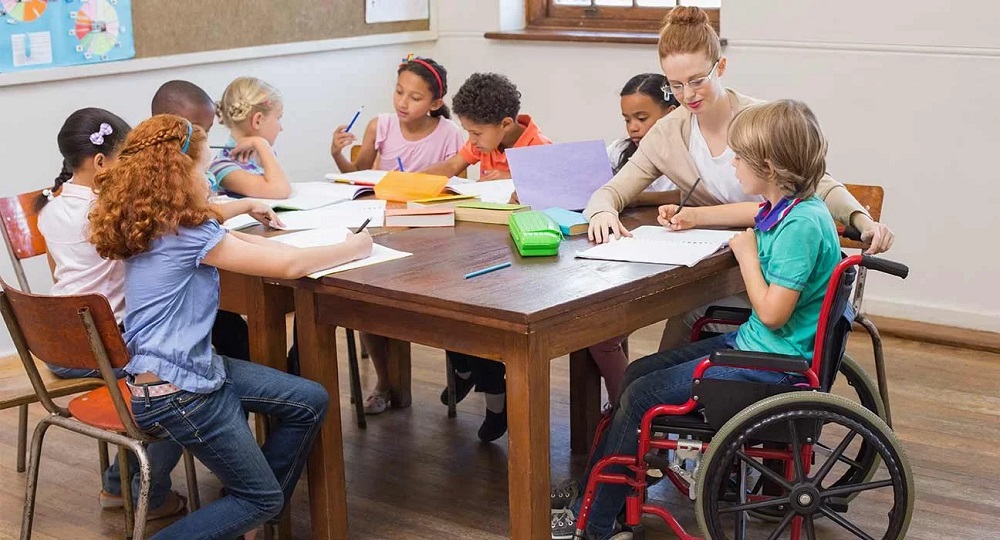
Education forms the bedrock of individual potential and societal progress. Historically, school systems functioned on models of segregation, sorting students into rigid categories based on perceived physical, cognitive, or socioeconomic capabilities. However, a profound shift in pedagogical philosophy has demonstrated that separate is fundamentally unequal. Inclusive education, the practice of teaching all students together in the same general education classrooms regardless of their abilities, backgrounds, or challenges, has emerged as a transformative force.
True inclusion extends far beyond merely sharing physical space or placing desks in the same room. It represents a systemic commitment to adapting curricula, teaching methods, and school environments so that every learner can meaningfully participate. When schools embrace authentic inclusion, they unlock a cascade of academic, social, and economic advantages. Far from being a niche framework that only serves students with specialized needs, inclusive education elevates the entire student body and strengthens the foundational fabric of the surrounding community.
The Architectural Design of an Inclusive Classroom
To understand the far-reaching benefits of this educational philosophy, it is necessary to examine how an inclusive classroom operates. Rather than forcing diverse students to conform to a singular, standardized pace of learning, inclusive educators build flexibility directly into the instructional design.
This approach frequently relies on Universal Design for Learning, a framework that offers multiple ways for students to engage with material, absorb information, and express what they have learned. In these environments, general education teachers and special education specialists collaborate as co-teachers. They use differentiated instruction to present concepts through auditory, visual, and tactile methods simultaneously. As a result, support structures are woven seamlessly into the daily routine, removing the stigma associated with receiving extra help and turning diversity into a standard feature of the classroom environment.
Holistic Benefits for General Education Students
A common misconception is that inclusive classrooms slow down the academic progress of neurotypical students or those without learning differences. Empirical research consistently refutes this assumption, demonstrating that general education students thrive remarkably well in integrated settings.
Acceleration of Cognitive and Academic Skills
When teachers design lessons to accommodate diverse learning styles, all students profit from the variety of instructional methods. A neurotypical student who struggles with abstract math concepts might suddenly grasp them when a teacher introduces a visual or kinesthetic model originally designed for a peer with a learning disability. Furthermore, inclusive classrooms emphasize collaborative learning. When advanced students explain complex ideas to their peers, they reinforce their own understanding, achieving a higher level of cognitive mastery through the process of peer tutoring.
Cultivation of Emotional Intelligence and Empathy
Empathy cannot be taught effectively through textbooks alone; it must be developed through consistent daily interactions. Students who spend their formative years alongside peers with different physical capabilities, communication styles, and neurodivergent traits naturally learn to look past superficial differences. They develop a sophisticated capacity for perspective-taking, recognizing that everyone experiences the world uniquely. This daily practice reduces judgment, dismantles fear of the unfamiliar, and fosters genuine compassion.
Development of Advanced Communication and Problem-Solving Abilities
Inclusive environments require students to develop creative, flexible communication strategies. A child who learns to collaborate on a science project with a peer who uses an assistive speech device or communicates through non-verbal cues builds exceptional communication skills. These experiences teach patience, active listening, and adaptive problem-solving—highly valuable interpersonal skills that are deeply sought after in the modern global economy.
Direct Advantages for Students with Diverse Learning Needs
For students with disabilities or specific learning challenges, the benefits of full inclusion in general education settings are profound and life-altering, shaping both their immediate school years and their long-term trajectories.
Elevated Academic Expectations and Achievements
In segregated classrooms, curricula are frequently oversimplified, which can inadvertently limit student potential. Inclusive classrooms expose all learners to high-quality, rigorous academic content that aligns with state standards. Supported by targeted accommodations and specialized modifications, students with diverse needs consistently outperform their segregated peers in standardized reading and mathematics assessments. The presence of high academic expectations encourages these students to push past perceived limitations.
Enhanced Social and Behavioral Competence
Human beings learn how to navigate social spaces by observing and mimicking their peers. In an inclusive classroom, students with social or behavioral challenges are surrounded by positive peer models. They observe natural social cues, conversational rhythms, and age-appropriate behaviors thousands of times each day. This immersive social environment accelerates the acquisition of functional life skills, leading to stronger friendships and a deeper sense of school belonging.
Stronger Self-Advocacy and Enhanced Self-Esteem
Being isolated in a separate classroom can instill a sense of shame or inferiority in young learners. Full inclusion reinforces the message that every student is a valued, integral member of the school community. As these students navigate challenges alongside their peers, they build resilience, discover their personal strengths, and learn to articulate their needs clearly. This foundation of self-advocacy is vital for navigating adult life successfully.
The Multiplier Effect: Transforming the Wider Community
The positive outcomes generated within inclusive school walls do not remain confined to the classroom. Instead, they expand outward, creating healthier, more cohesive, and economically vibrant communities.
Dismantling Generational Stigma and Prejudice
Prejudice thrives on isolation. When children grow up apart from those who are different from them, they carry those divides into adulthood, perpetuating systemic biases. Conversely, generations raised in inclusive classrooms enter adulthood viewing human diversity as normal. When these students become employers, landlords, policymakers, and neighbors, they naturally build accessible, welcoming spaces. Inclusive education functions as an upstream solution to social exclusion, eradicating systemic discrimination at its source.
Economic Vitality and Reduced Public Expenditures
Inclusive education is an investment that yields substantial economic returns for society. By providing robust support early in life, schools prepare students with diverse needs for meaningful employment and independent living. This shifts long-term societal dynamics, increasing tax contributions and reducing reliance on public assistance programs. Furthermore, maintaining a single, universally accessible school infrastructure is far more cost-effective for local governments than funding duplicate administrative systems, separate facilities, and specialized transportation networks.
Strengthening Civic Engagement and Social Cohesion
Communities built on inclusive education foundations display stronger social capital. When parents from all walks of life see their children learning, playing, and thriving together, it builds strong networks of mutual support among families. These shared school experiences break down neighborhood divisions, foster trust, and inspire collaborative community action, resulting in civic institutions that are more resilient and responsive to the needs of all citizens.
Overcoming Structural and Cultural Challenges
Transitioning to an authentic, high-performing inclusive educational model requires deliberate effort, targeted resources, and structural change. Identifying these hurdles allows educational leaders to design sustainable solutions.
-
Inadequate Professional Development: Many general education teachers feel unprepared to manage diverse learning profiles. To resolve this, school districts must prioritize ongoing training in neurodiversity, adaptive technologies, and co-teaching strategies.
-
Resource Misallocation: Successful inclusion demands adequate staffing, including speech pathologists, occupational therapists, and paraeducators. Budgets must be restructured to ensure these professionals are integrated directly into general classrooms.
-
Entrenched Institutional Mindsets: Resistance from administrators or parents who fear that inclusion compromises academic standards must be met with transparent data, open dialogue, and visible success stories from model inclusive schools.
FAQ
How do educators ensure that advanced learners remain challenged in an inclusive classroom?
Educators use a method called tiered instruction within the Universal Design for Learning framework. While all students explore the same core concept, the complexity of the tasks can be adjusted. Advanced learners are provided with extension activities, open-ended inquiry projects, and abstract problem-solving opportunities that deepen their critical thinking skills without isolating them from their peers.
Does inclusive education require modifying grading systems for students with special needs?
Grading strategies vary based on a student’s individualized education program. Some students use standard grading metrics with accommodations, such as extended time or oral assessments. Others utilize modified grading criteria that measure progress against personalized developmental goals rather than standardized benchmarks, ensuring assessment remains equitable and encouraging.
How does early childhood inclusion impact preschool-aged children?
Early inclusion during preschool years accelerates language acquisition, social play skills, and motor development in children with delays. For typically developing children, it normalizes human differences during prime developmental windows, ensuring that empathy and acceptance become deeply rooted behavioral traits before they enter elementary school.
What role do assistive technologies play in facilitating classroom inclusion?
Assistive technologies bridge communication and access gaps in real time. Tools such as text-to-speech software, screen readers, predictive text applications, and specialized communication tablets allow non-verbal students or those with severe learning differences to access the exact same curriculum as their peers, participate in class discussions, and demonstrate their knowledge independently.
How can parents of general education students support inclusive school initiatives?
Parents can support inclusion by talking positively about diversity and neurodivergence at home, encouraging friendships with a wide variety of classmates, and actively volunteering for inclusive school events. They can also advocate for inclusive policies at parent-teacher association meetings and school board sessions, helping ensure resources are distributed equitably.
What happens to special education classrooms in a fully inclusive school district?
In a fully inclusive model, traditional self-contained special education classrooms transition into flexible resource hubs or sensory spaces. These rooms are not used to isolate students for the entire day. Instead, they serve as temporary spaces where any student can go to decompress, receive targeted therapy, or work through short-term learning challenges before returning to their primary classroom.
