
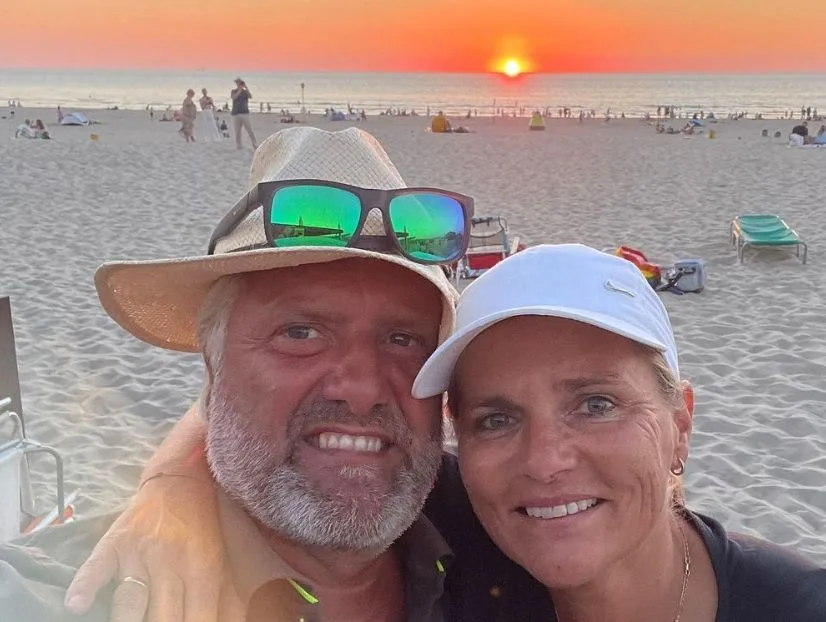
When people search for marten glotzbach, they’re often looking for more than a name tied to a celebrated spouse. They want the real professional story: the Dutch coach’s pathway through grassroots football, the Segbroek College education program he helped nurture, his tactical preferences, and how he’s steering ADO Den Haag Women in the Eredivisie. This in-depth guest post unpacks the verified details other articles touch on—but with clearer structure, fuller context, and practical insight.
Why Marten Glotzbach’s Story Matters
The rise of women’s football in the Netherlands owes as much to steady builders as it does to star managers and players. Marten Glotzbach stands out as one of those builders—an educator-turned-coach whose methodical, player-first approach was forged in school corridors, community pitches, and academy training grounds before stepping into the professional spotlight as head coach of ADO Den Haag Women.
A Snapshot of Marten Glotzbach
- Nationality: Dutch
- Current Role: Head Coach, ADO Den Haag Women
- Background: Economics teacher and football program coordinator at Segbroek College (The Hague), long-time youth and senior coach across the region
- Family: Married to Sarina Wiegman; two daughters (Lauren and Sacha)
From Classroom to Technical Area: Early Roots That Shape His Coaching
Before marten glotzbach became a first-team head coach in the women’s top flight, he built a reputation where most future pros actually form their foundations: education-led football. At Segbroek College, he taught economics and helped run structured football programs that allowed talented students to train seriously while staying on track academically. That dual focus—development and discipline—now flows through his sessions on the training pitch.
Across regional clubs, he honed a pragmatic style. Stints at Scheveningen, Westlandia, and SC Monster broadened his hands-on experience with both youth and senior squads. Working within different resource levels, he learned to design sessions that emphasize decision-making, intelligent pressing triggers, and phase-by-phase buildup—principles that translate naturally to the modern women’s game.
The ADO Den Haag Women Appointment: Timing, Fit, and Expectations
Stepping into the lead role at ADO Den Haag Women required more than a good CV—it demanded club DNA. Marten Glotzbach had already been embedded in ADO’s girls’ pathway (including MO16/MO17 groups), understood the local talent ecosystem, and had history in The Hague’s football community. That background made him a strong fit to stabilize, then elevate, ADO’s competitiveness against powerhouses like Ajax, PSV, and Twente.
What others wrote as a simple appointment was actually a culmination: years of aligning education, coaching, and development into a coherent method. The brief was clear—rebuild confidence, increase tactical clarity, and make ADO a difficult out every weekend.
Coaching Philosophy: Four Pillars That Keep Showing Up
1) Education-First Player Development
Because marten glotzbach comes from a school-based pathway, his sessions emphasize learning outcomes: scanning habits, receiving angles, and structured constraints that teach players to solve problems under pressure. It’s football as a classroom—short bursts of instruction, then repetition with targeted feedback.
2) Pragmatic Possession
He is not dogmatic about tiki-taka or direct play; instead, he tailors possession to personnel. The back line is coached to circulate with purpose, using fullbacks as release valves and a No. 6 who drops to form a temporary back three when pressed. The aim is to break lines, not merely keep the ball.
3) Out-of-Possession Discipline
ADO under marten glotzbach pushes for compactness between the lines. Wingers are coached to shape pressing angles to guide opposition buildup where traps wait, with the No. 8s primed to jump lanes. When the press is beaten, the fallback is a mid-block that denies central progression and forces low-percentage crosses.
4) Standards and Psychology
Coming from education, he puts a premium on the “how” of training: punctuality, video review habits, and self-analysis. Players are encouraged to journal learnings—simple, consistent routines that transform information into action.
Tactical Shape: How ADO Den Haag Women Tend to Set Up
Base: 4-2-3-1 That Morphs in Motion
- Build-up: The No. 6 drops between center-backs, fullbacks push high, and the 10 rotates to create a triangle in the half-space for third-man runs.
- Progression: Wide overloads with a near-side winger underlapping to open the chalk for the fullback.
- Final Third: The 9 engages the near center-back, freeing the far-side winger to attack the back post. Rotations try to produce cutback chances rather than speculative shots.
Pressing Triggers to Watch
- Goalkeeper heavy touches
- Square passes across the back line
- Isolated fullback facing own goal
These triggers unleash a coordinated first wave from the 9 and near-side winger, with the 10 closing the pivot’s lane.
Player Pathways: Why ADO Is a Smart Stage for Young Talent
A hallmark of marten glotzbach’s approach is building a clear staircase from academy sides into the first team. Because he coached within the youth structure, he understands each player’s technical profile and psychological needs. That continuity reduces the “debut shock” many young players feel and lets the club integrate prospects with intention instead of necessity.
For ADO, which competes against clubs with larger budgets, smart development is a performance edge. Expect to see academy graduates entrusted with minutes in targeted fixtures and roles that match their current strengths while stretching their decision-making.
Matchday Management: What the In-Game Adjustments Look Like
- Early Struggles Playing Out? He simplifies by asking the 6 to stay higher, creating shorter, safer exits through the 8s.
- Opposition Winning Second Balls? He flips the wingers’ roles—one chalk wide to pin the fullback, the other tucked inside to crowd central counters.
- Chasing a Goal? Expect a back-three shape in possession, fullbacks staggered to hit the byline, and the 10 freed from defensive duties to camp between the lines.
The common thread is constraint-led thinking: change the picture for your own players so they see time and space differently.
Training Ground Details That Matter
- Video before volume: Short clips set the day’s theme; reps come after the idea is clear.
- Small-sided with rules: Limited-touch rondos become pressing and release drills instead of just keep-away.
- Position-specific habits: Fullbacks rehearse receiving on the half-turn; center-backs practice “screen and step” cues; 9s get reps attacking the first post then stopping to drag defenders past the cutback lane.
- Micro-competitions: Training points and mini-tables keep sessions competitive without sacrificing learning.
Culture and Leadership: Building the Right Dressing Room
In articles about marten glotzbach, you will often find notes about his calm demeanor and educator’s patience. Inside a competitive dressing room, that translates into steady standards rather than theatrical speeches. He backs players publicly, challenges them privately, and uses leadership groups to keep communication flowing. The result is a team culture where accountability feels shared, not imposed.
Family, Privacy, and Professional Boundaries
Plenty of content online defines marten glotzbach primarily by his marriage to Sarina Wiegman. The reality is more nuanced. Yes, their partnership is a footballing brain trust—but it’s also purposeful about boundaries. He has his own coaching identity in The Hague’s ecosystem, and he has maintained professional separation while supporting his family. Notably, his daughter Lauren has been part of ADO’s setup, adding a human layer to his role without overshadowing the team’s collective aims.
What Progress Looks Like for ADO Den Haag Women Under Glotzbach
Progress for ADO isn’t only measured by the table. It includes tighter defensive metrics (xGA trending down), clearer chance creation patterns (more shots from cutbacks and zone 14 combinations), and improved academy promotion. Over a full season, the sight test—fewer “scramble” phases, more controlled spells against top teams—matters as much as results. Still, a rise toward mid-to-upper table is a reasonable, competitive target.
The Bigger Picture: Why Coaches Like Glotzbach Are Vital to the Game
Women’s football grows on the strength of environments that nurture skill, confidence, and game intelligence. Marten glotzbach represents that ecosystem-first mindset. By blending education discipline with modern tactics, he models a pathway for coaches coming up through schools, community clubs, and academies who aspire to lead at the professional level.
Frequently Asked Questions (FAQ)
Is Marten Glotzbach the current head coach of ADO Den Haag Women?
Yes. He took the role for the women’s first team following earlier work with ADO’s girls’ pathway and youth squads.
Did Marten Glotzbach work as a teacher before coaching at the top level?
Yes. He taught economics at Segbroek College in The Hague and helped coordinate football training within the school system, which influences his education-first coaching style.
What formations does he prefer?
A 4-2-3-1 is a common base, but his teams flex in possession—often forming temporary back threes and using fullbacks high to stretch the pitch.
How does his background influence player development?
His school and academy experiences emphasize teachable habits: scanning, receiving angles, and structured problem-solving. That produces players who make good, repeatable decisions under pressure.
Is he only known because of Sarina Wiegman?
No. While many readers discover marten glotzbach through Wiegman, his own résumé spans decades in Dutch football across youth and senior roles, culminating in his current head-coach position.
What are reasonable goals for ADO Den Haag Women under his leadership?
Sharper defensive organization, clearer attacking patterns, and sustained integration of academy players—alongside pushing into the league’s top half and making deeper cup runs.
Does Marten Glotzbach involve young players early?
Yes. Because he understands the youth pipeline, you’ll see intentional minutes for young talents, especially in roles that match their current strengths with manageable tactical asks.
