
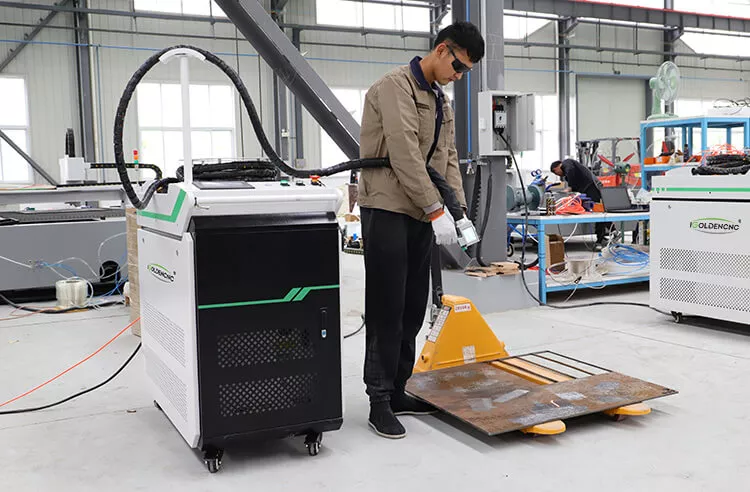
In the world of manufacturing and heavy machinery, maintaining equipment efficiency and longevity is paramount. A key player in this effort is the industrial lubricant—a specialized formulation designed to reduce friction, prevent wear, and protect machines from damaging elements. Over recent years, industrial lubricants have seen growing popularity across various sectors as industries seek smarter solutions to optimize operations. This article explores the benefits of industrial lubricants, their evolving innovations, and their close relationship with rust remover products in preserving machinery health.
What Is Industrial Lubricant and Why Is It Essential?
Industrial lubricant is a substance applied between moving machine parts to limit friction and wear. Unlike everyday oils, these lubricants are formulated to withstand extreme pressure, temperature variations, and prolonged operation times common in industrial environments. The key functions of industrial lubricants include:
- Reducing Friction: Minimizes resistance during component movement for smoother operation.
- Preventing Wear and Tear: Creates a protective film that decreases metal-to-metal contact.
- Cooling: Helps dissipate heat generated by machinery to prevent overheating.
- Corrosion Protection: Shields surfaces from moisture, dust, and contaminants that cause rust.
- Sealing: Prevents ingress of dirt and water into sensitive parts.
Given that unexpected downtime due to equipment failure can cost industries millions, using effective industrial lubricants becomes a critical maintenance strategy.
Growing Popularity: Factors Driving Increased Use of Industrial Lubricants
Several trends have contributed to the rapid rise in the demand and application of industrial lubricants:
- Advances in Machinery Design: Modern machines operate at higher speeds and loads, requiring high-performance lubricants.
- Extended Equipment Lifespans: Businesses aim to maximize asset use through proactive maintenance.
- Environmental Regulations: The development of eco-friendly lubricants supports sustainability goals without sacrificing performance.
- Cost-Efficiency: Reduced maintenance frequency translates into lower labor and part replacement costs.
- Versatility: Industrial lubricants now cater to specialized needs such as food processing safety, extreme temperature resistance, and biodegradability.
As industries from automotive to aerospace and manufacturing continue to innovate, industrial lubricants have evolved to meet diverse and demanding operational requirements.
Industrial Lubricants and Rust Remover: A Symbiotic Relationship
Rust is one of the most common and costly problems impacting machinery, causing pitting, structural weakness, and inefficiency. Rust remover products play a crucial preventive and corrective role, while industrial lubricants complement this by protecting surfaces from future corrosion.
Here’s how they work together:
- Rust Removal: Specialized rust remover agents chemically break down iron oxide to clean affected equipment parts.
- Surface Preparation: Removing rust allows for better lubricant adhesion and effectiveness.
- Lubricant Application: After rust treatment, industrial lubricants form a barrier to keep moisture and oxygen away.
- Ongoing Protection: Lubricants maintain corrosion resistance during machine operation, even in harsh environments.
Integrating both rust remover and industrial lubricant treatments into maintenance programs extends machinery life and reduces repair costs.
Innovations Shaping the Industrial Lubricant Market
To meet modern industrial challenges, product developers focus on several cutting-edge enhancements:
- Synthetic Lubricants: Engineered molecules offer superior thermal stability, oxidation resistance, and lower volatility compared to conventional oils.
- Multi-Functional Formulations: Lubricants now often include anti-wear, anti-foam, and rust inhibitor additives all in one.
- Biodegradable Options: New formulations break down naturally reducing environmental impact without compromising performance.
- Nano-Enhanced Lubricants: Nanoparticles improve lubricity and reduce friction beyond traditional formulations.
- Smart Lubrication Systems: Automated dispensing technologies ensure precise application, improving efficiency and reducing waste.
These advances contribute to the growing popularity of industrial lubricants by delivering greater reliability, sustainability, and cost savings.
Key Industries Benefiting from Industrial Lubricants
Industrial lubricants’ versatility makes them essential across multiple sectors:
- Manufacturing: Keeps conveyor belts, gears, and bearings functioning smoothly for uninterrupted production.
- Automotive: Protects engine components and transmissions under extreme operating conditions.
- Construction: Heavy earth-moving machinery relies on lubricants to reduce breakdown risks.
- Energy: Wind turbines, power plants, and oil rigs use specialized lubricants for extreme temperature and load endurance.
- Food Processing: Non-toxic and food-grade lubricants ensure machinery cleanliness without contaminating products.
In each field, the right lubricant tailored to specific machinery demands enhances performance and reduces costly downtime.
Best Practices for Industrial Lubricant Use and Maintenance
Maximizing the benefits of industrial lubricants requires thoughtful application and care:
- Regular Monitoring: Track lubricant condition through oil analysis to detect contaminants or breakdown early.
- Correct Selection: Match lubricant type and viscosity to machine specifications and operating conditions.
- Proper Storage: Keep lubricants in clean, temperature-controlled environments to maintain quality.
- Routine Cleaning: Use rust remover and cleaning agents prior to lubrication to ensure surfaces are contamination-free.
- Training: Equip maintenance teams with knowledge of lubrication techniques and schedules for optimal machine health.
Following these best practices contributes significantly to operational efficiency and machine lifespan.
The Growing Impact of Industrial Lubricants in Modern Industry
Industrial lubricants have transitioned from simple oils to highly engineered solutions critical to machinery health and productivity. Their expanding popularity reflects the industry’s focus on innovation, cost-saving, and sustainability. Coupled effectively with rust remover treatments, these lubricants protect against common deterioration while enhancing performance under demanding conditions. Investing in quality industrial lubricants and proper maintenance protocols is a strategic step for any operation striving for reliability and efficiency.
